


FEBRUARY 26, 2026
%22%3E%3Cpath%20d=%22M12%206.18945C12%205.99054%2011.921%205.79978%2011.7803%205.65912%2011.6397%205.51847%2011.4489%205.43945%2011.25%205.43945S10.8603%205.51847%2010.7197%205.65912C10.579%205.79978%2010.5%205.99054%2010.5%206.18945V14.4395C10.5%2014.5717%2010.535%2014.7015%2010.6014%2014.8158S10.7632%2015.0249%2010.878%2015.0905l5.25%203C16.3003%2018.1836%2016.5022%2018.2056%2016.6905%2018.1518%2016.8788%2018.0981%2017.0386%2017.9728%2017.1358%2017.8028%2017.2329%2017.6327%2017.2597%2017.4314%2017.2104%2017.2419%2017.1612%2017.0523%2017.0397%2016.8896%2016.872%2016.7885L12%2014.0045V6.18945z%22%20fill=%22%23111%22/%3E%3Cpath%20d=%22M12%2024.9395c3.1826.0%206.2348-1.2643%208.4853-3.5148C22.7357%2019.1743%2024%2016.1221%2024%2012.9395c0-3.18264-1.2643-6.23489-3.5147-8.48533C18.2348%202.20374%2015.1826.939453%2012%20.939453S5.76516%202.20374%203.51472%204.45417C1.26428%206.70461.0%209.75686.0%2012.9395c0%203.1826%201.26428%206.2348%203.51472%208.4852C5.76516%2023.6752%208.8174%2024.9395%2012%2024.9395zm10.5-12c0%202.7847-1.1062%205.4554-3.0754%207.4246-1.9691%201.9691-4.6398%203.0754-7.4246%203.0754-2.78477.0-5.45549-1.1063-7.42462-3.0754C2.60625%2018.3949%201.5%2015.7242%201.5%2012.9395c0-2.7848%201.10625-5.45554%203.07538-7.42467S9.21523%202.43945%2012%202.43945c2.7848.0%205.4555%201.10625%207.4246%203.07538C21.3938%207.48396%2022.5%2010.1547%2022.5%2012.9395z%22%20fill=%22%23111%22/%3E%3C/g%3E%3Cdefs%3E%3CclipPath%20id=%22clip0_1107_2521%22%3E%3Crect%20width=%2224%22%20height=%2224%22%20fill=%22%23fff%22%20transform=%22translate(0%200.939453)%22/%3E%3C/clipPath%3E%3C/defs%3E%3C/svg%3E)
32 min listen

Host


Tune in to the Full Podcast Episode Below
Listen now on


For years, fintech progress has been measured by speed to market. Faster launches, lighter licenses, and deeper reliance on banking partners became the default playbook. The assumption was simple. Build the technology, plug into a bank, and scale.
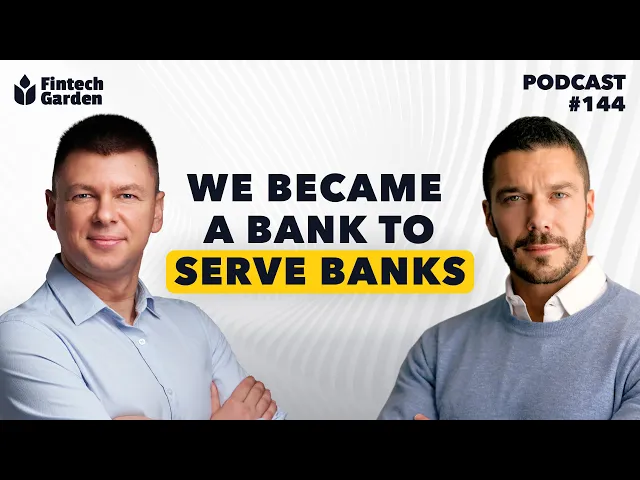
This episode of the Fintech Garden Podcast questions that assumption. In a conversation with Noah Buchman, Co-founder of Propel and President of Propel Bank, the focus moves away from product features and toward the structural limits of non-bank fintech. After more than 15 years building credit infrastructure, Propel reached a conclusion many fintechs avoid. To go further, it had to become a bank.
The discussion explores why licensing became a strategic decision rather than a regulatory hurdle, and how building a bank changed what Propel could offer to its partners and the markets it serves.
When Fintech Alone Is Not Enough
Propel was built around a clear mission. Expanding fair and responsible access to credit for underserved consumers. Over time, AI-driven underwriting, automation, and bank partnerships enabled significant scale. But structural limits remained.
Non-bank fintechs face fragmented licensing, state-by-state constraints, and restricted permissions. Certain products, markets, and operating models remain inaccessible regardless of technical capability. Licensing, not technology, becomes the bottleneck.
Becoming a bank was the next logical step in removing those limits.
A Bank Built for Banks
Propel Bank was designed as infrastructure. It does not lend directly to consumers. Instead, it provides regulated banking services to other banks, enabling them to launch and scale credit products more efficiently.
This model reflects a broader industry shift. The future is not fintech versus banks, but bank-to-bank collaboration powered by fintech platforms. Infrastructure, compliance, and regulatory trust are becoming the true competitive moats.
Regulation as a Strategic Asset
The episode also reframes regulation. Oversight, audits, and capital requirements introduce cost and complexity, but they also unlock scale, durability, and long-term optionality.
Licensing is not a shortcut. It is a commitment. One that reshapes how companies grow, partner, and operate across jurisdictions.
The takeaway is clear. In modern fintech, technology creates possibility, but regulation defines what is actually achievable.
Share article
Host


